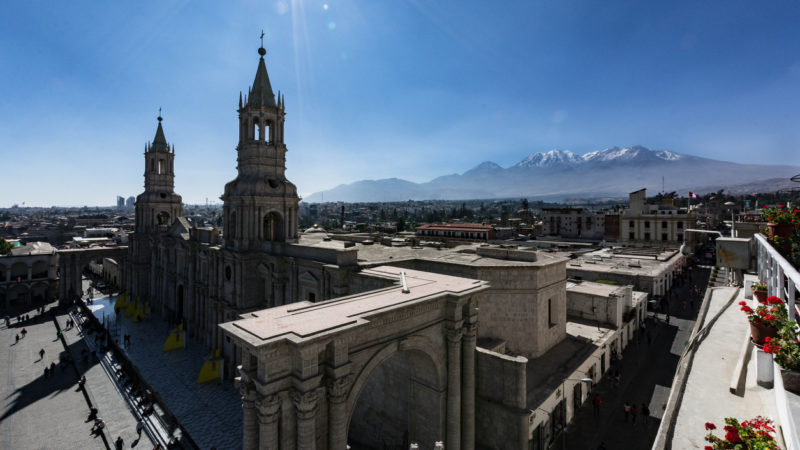
Peru was my first stop on my South American tour. Like many tourists do, I began my journey in Lima, the capital city of Peru. The traffic in Lima was overwhelming, to say the least. A friend recommended I stay in Miraflores, 10 kilometers from the city of Lima. Despite its close proximity, with the hectic traffic this was about an hour drive. Miraflores is a sleepy beachfront town filled with families, flowers and colourful buildings.
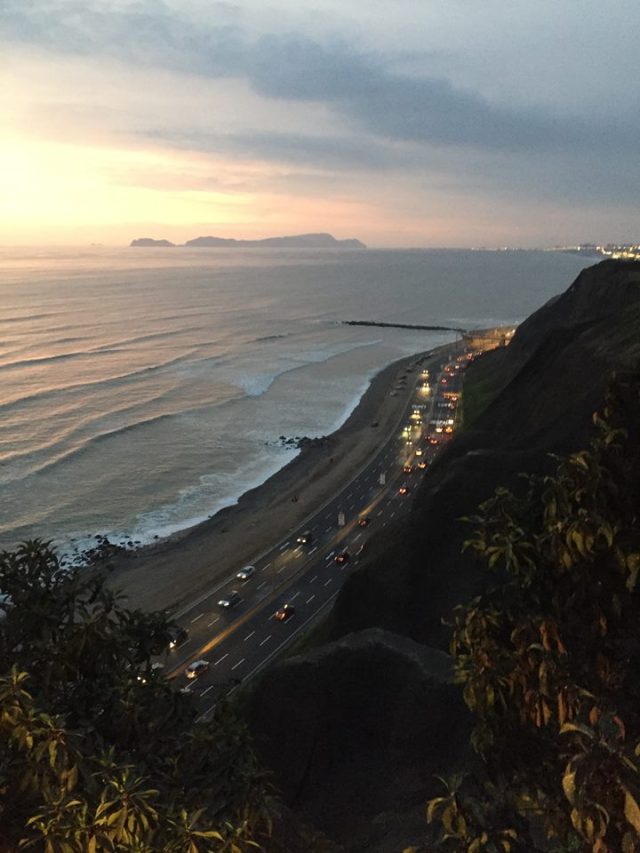
Miraflores at sunset.
Despite Peru being easy on the budget, Peru was calling my name for the famous Colca Canyon, and of course…Machu Picchu. Research suggested that because of the high elevation of both locations, it is not advised to begin your Peruvian journey in either place. Boy was I glad I knew this!
With that being said, I only spent a few days outside of Lima before I started the journey to Arequipa, the gateway to the Colca region. From Lima I flew to Arequipa, and successfully landed after the third attempt! Yes-it took three different flights to land in Arequipa. Apparently this is common due to the heavy fog in Arequipa.
I ended up absolutely falling in love with Arequipa, the stunning volcano-ringed colonial-era city in Peru. Arequipa is called the White City for more than just the obvious. Arequipa sees 300 days a year of sunshine. Unfortunately, I cannot say that I was there for any of those 300 days.
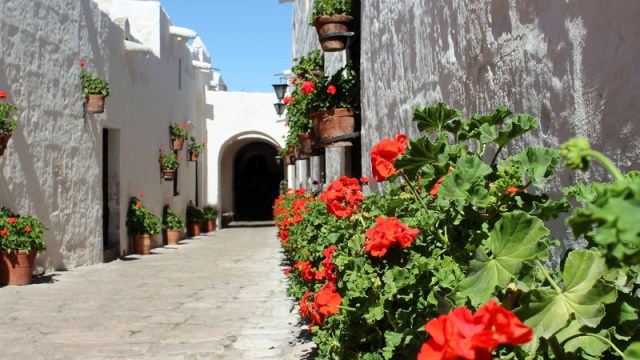
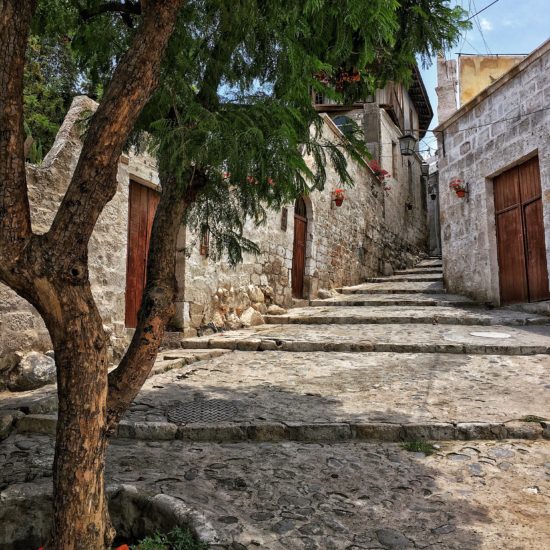
Because I unexpectedly fell in love with Arequipa, I was in no rush to leave-yet another perk of travelling without a schedule. When I did leave, I began the trip to the Colca region (gravol recommended for this bus ride). I was beginning the two day Colca Canyon trek. Colca Canyon is 11,000 feet deep, twice the depth of the famous Grand Canyon. The two day trek will take you down the canyon, and back up the following day. I was not prepared for this hike, to say the least. I was so sore when I finished I could barely go up and down the stairs to get to my hostel room. BUT-I would do it again in a heart beat, so take from that what you will. The views are terrain were unlike anything I’ve ever set my eyes on.
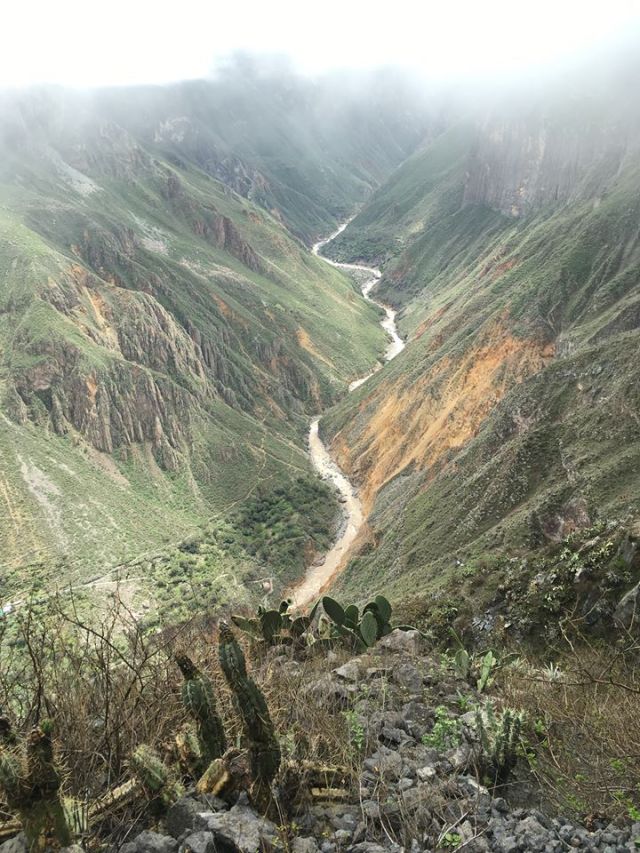
Views from the descent at Colca Canyon.
The next major stop was Cusco, approximately a 9 hour drive from Arequipa. A note to anyone thinking of travelling anywhere in South America, I will let you know that any 5 hour bus ride in South America can easily turn into a 12 hour ride with no explanation.
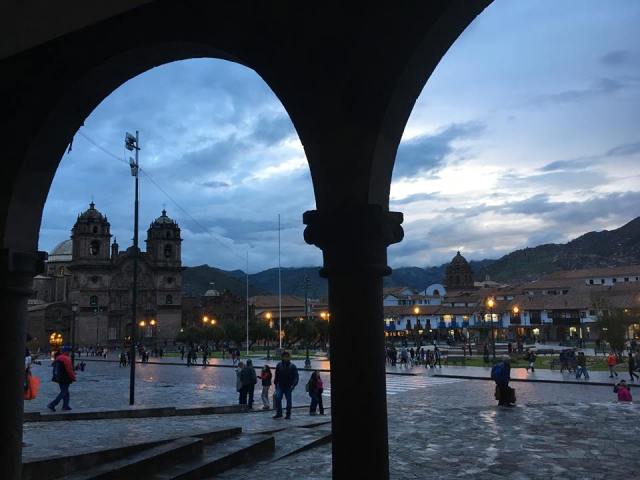
Cusco at sunset.
Cusco is home to the famous Rainbow Mountains, which I unfortunately didn’t see because I was saving myself for Machu Picchu.
Prior to arriving in Peru, I had nothing for Machu Picchu booked. I was slightly worried about this because I had heard rumors that you need special permits 6 months prior to arrival. To anyone reading this, that is not true! False online “permits” can charge tourists upwards of $600 USD. This stands for most any tours in South America-I do not recommend booking anything prior to arrival.
The journey to Machu Picchu was absolutely exhausting and not complete without a few bus breakdowns and road closures, but absolutely breath taking. Author Jedidiah Jenkins describes Machu Picchu beautifully in To Shake The Sleeping Self. I highly recommend reading his story (he quits his job and rides his bike from Oregon to Patagonia).
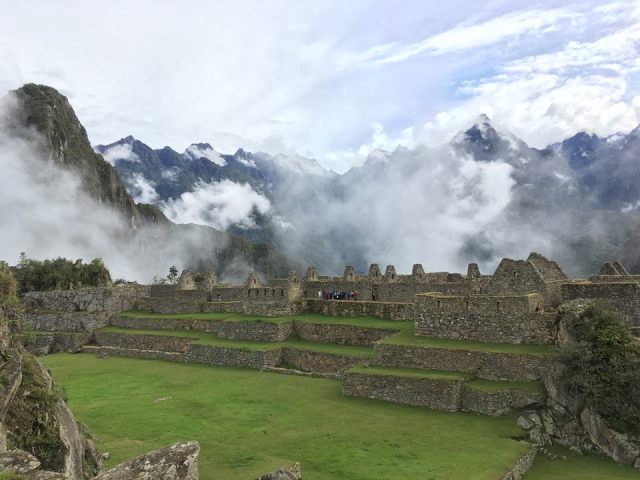
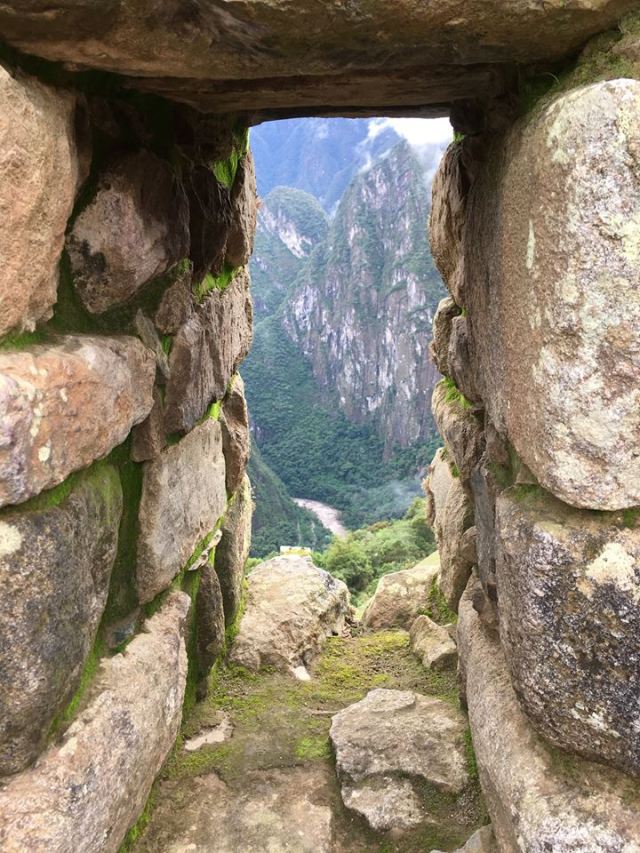
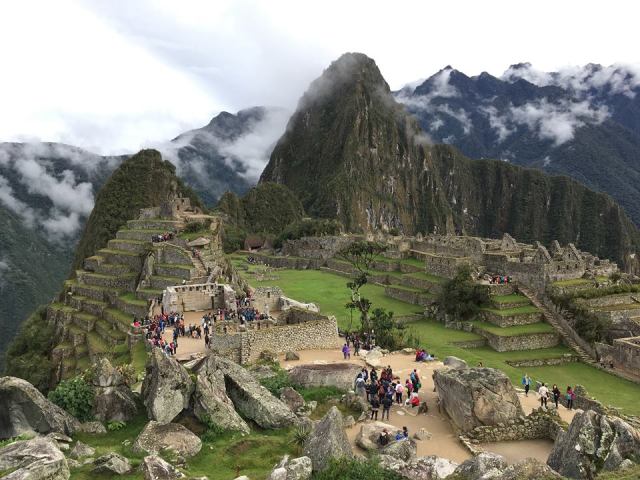
Machu Picchu.
Many tourists hike the Inca trail, or the Salkantay Trek, each taking 4 days to walk. These typically run for around $400 USD. For budget purposes, I took a bus for the majority of the trek, walking around 4 hours of the way (through parts that vehicles cant access). For me, the 4 hours felt totally fulfilling, and I didn’t feel that I had taken the easy way. This option ended up totalling around $70 CAD, including bus tickets to and from Cusco, entrance fees and one nights accommodation). I was pleasantly surprised.
I think this goes without saying, but I recommend going as early as you possibly can. However, despite how early you go, you’ll be racing for time against the hikers, as they all arrive to watch the sun come up. Finally, give coca leaves a try for anyone fighting altitude sickness. Locals chew the dried leaves, a tradition for more than 5,000 years. It’s part of the experience!
 Claire Voyage