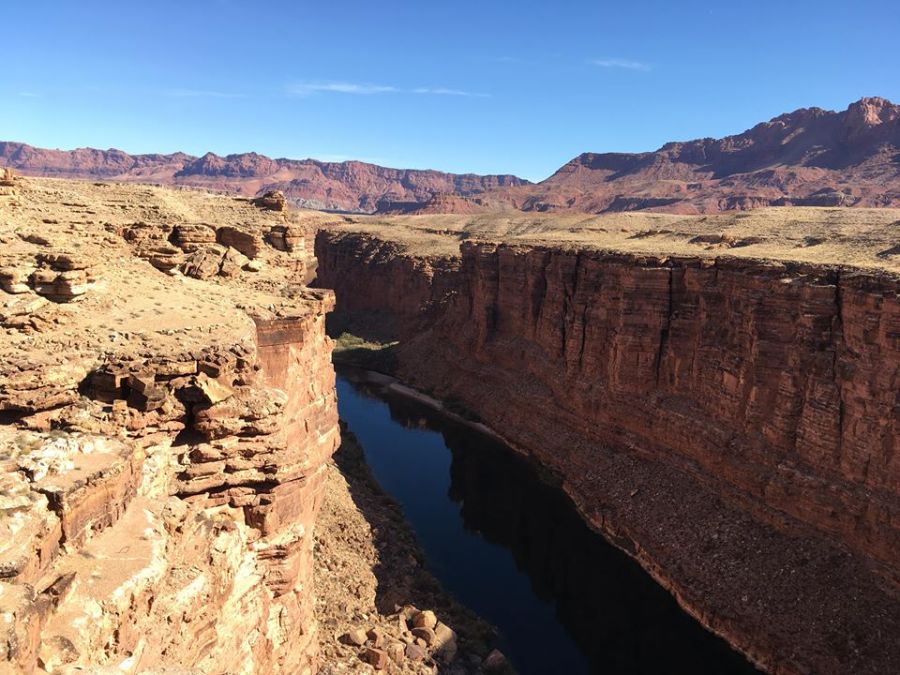
Last summer I read Michael Finkel’s novel The Stranger in the Woods, and so many of his words still resonate with me. The Stranger in the Woods documents the true story of Christopher Knight, who lived alone in the woods for 27 years, in Maine, USA. He did not have a conversation with anyone except himself for 27 years. Knight was arrested and jailed for committing over 1000 break and enters, after 27 years of solitude. This powerful novel explores the relationship between solitude and man’s eroding relationship with the natural world. I highly recommend this read.
Many studies examine the difference between living in a “calm” place, versus existing amid commotion. All research arrives at the same conclusion, that noise and distraction are toxic. The human body is designed to immediately react to noise, even during sleep. People who live in cities experience chronically elevated levels of stress hormones, including cortisol. Increased cortisol can result in higher blood pressure and heart rate, contributing to heart disease and cellular damage. Essentially, noise harms your body and fries your brain. The word noise is derived from the Latin word nausea. Psychologists believe that the human body slows/relaxes in hushed, natural settings. (Readers don’t worry, this won’t all be a science lesson-I’m going somewhere with this I promise).
When I read Finkel’s book, I was searching for some serious solitude after being faced with a difficult and unexpected obstacle. I thought this would be the perfect time to do something I’ve always wanted to do: hike from the south rim of the Grand Canyon to the north rim, a total of 50 km. This challenging experience gave me a lot of time to think and reflect…possibly too much. I’m a firm believer that fresh air heals all.
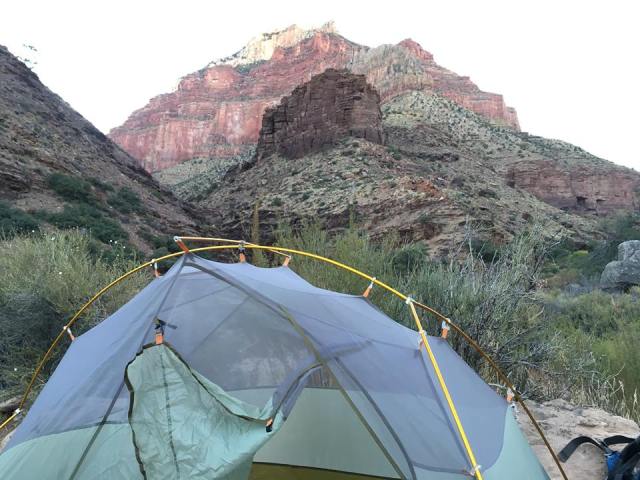
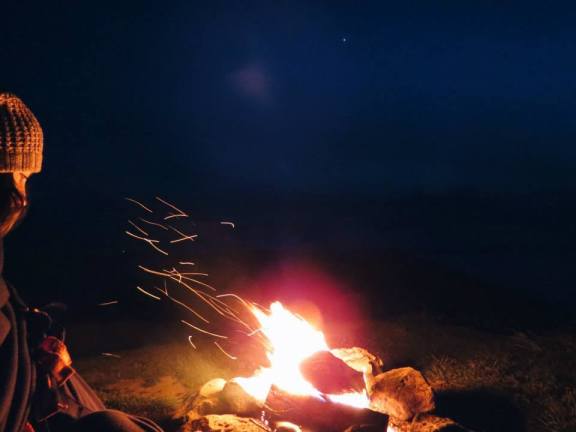
I started walking on October 24, and reached the south rim on October 27. I hiked with four complete strangers, carrying a 35 lb. pack on my back (this got lighter as we ate more food and drank more water). Everything that we carried in had to be carried out. I swam in the Colorado River, watched sunsets, sunrises and the fell asleep under the stars every night. I laughed, I talked to myself, I listened to music, I cried (I cried a lot), I ran ahead of the others when I felt I needed to be alone, I stopped to break when I was blistered and didn’t think I could take one more step, I ate a lot of beef jerky and powdered food, and did a lot of nature pees.
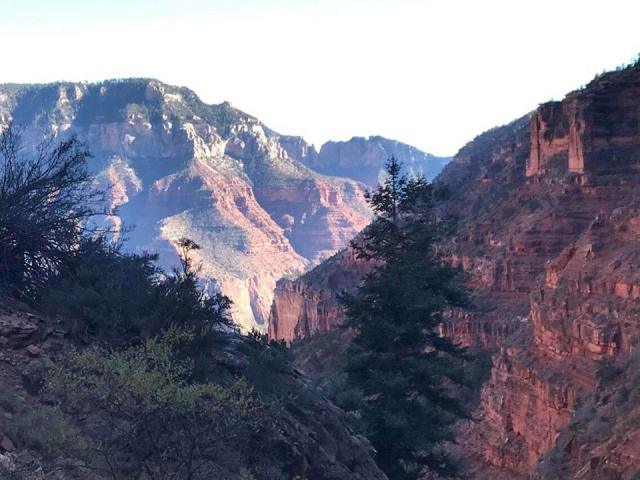
I flew back to Toronto on October 28 feeling completely recharged, and like a new person. During this 96 hour period I had little to no interaction with any other people (the other hikers I was with were hiking for purposes very similar to myself). Because of this, there was no obligation for small talk or pleasantries. I heard no cars or trains passing by, no beeping or honking, phones ringing, people yelling, I saw no light other than that coming from the sun or moon. The trails were quite quiet at this time because temperatures were beginning to drop, making camping at night pretty frigid. Mentally, it was an incredibly healing process, and I can say that it is not likely that I will ever be that far removed from society for that duration of time again.


When I think of the times that I have been the happiest, it is when I have been alone with nature. My summer days spent camping in Algonquin Park, the year I spent living in Field, British Colombia, with no cell phone service, internet or television-population 169 people, or the summers I spent hiking and living in Jasper and Banff. Of course there are many physical benefits to living an active and outdoor life, however I can really speak to the mental health benefits. I have never felt such high levels of authenticity, happiness and belonging as I have when I’m surrounded by lush forest or sky-high trees.
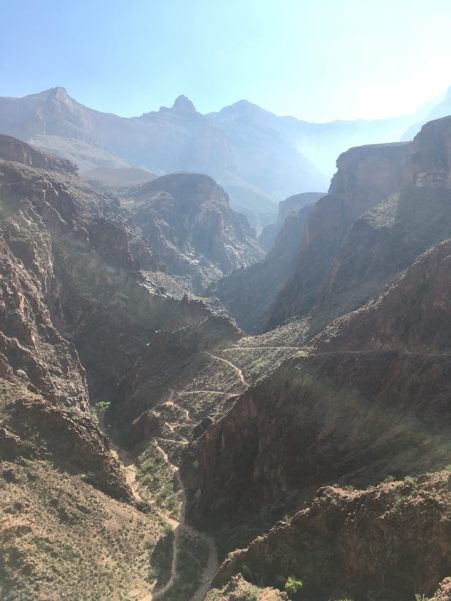
Japanese researchers found that a daily 15-minute walk in the woods caused a significant decrease in cortisol, the stress hormone. Does hiking for four days through the Grand Canyon sound like something you’d like to check off your bucket list? Check out more here.
“He was confounded by the idea that passing the prime of your life in a cubicle, spending hours a day at a computer, in exchange for money, was considered acceptable, but relaxing in a tent in the woods was disturbed. Observing the trees was indolent; cutting them down was enterprising. What did Knight do for a living? He lived for a living.”
-Michael Finkel, The Stranger in the Woods: The Extraordinary Story of the Last True Hermit
I am so very thankful that I share such a special connection with nature.
 Claire Voyage
I love this post! I’ve been trying to connect with nature more and have looked more and more into vacations that offer a lot of natural landmarks, hiking, and sightseeing. I don’t think I could do the three day hike like you did, but I’d definitely like to see it.
LikeLiked by 1 person